2026 Is When AI Starts to Feel Profound
Programming is the first field to feel the change. The rest of the economy will follow on a similar blueprint.
Programming is the first field to feel the change. The rest of the economy will follow on a similar blueprint.
After years of relying on prompting and RAG, finetuning is back for certain use cases like new vocabularies or narrow tasks.

Keep your local machine clean and let a throwaway server take the risks. Give full permissions and let agents run.

Pick one or two areas, build a knowledge mesh, and test new tools yourself.

Coding contests are first, then math, art, and photography are next. Detection will catch naive cheaters but not the serious ones.

Local dictation tools are finally good enough to replace typing. A simple hotkey setup could make voice a daily habit.
Spin up Vast AI rigs only when you train, keeping GPU spending close to electricity costs.

Perplexity opens Comet's agentic browser to everyone, delivering an assistant-first UX with instant context-aware answers.
The new startup is destined to be a star, but can it live up to these great expectations?
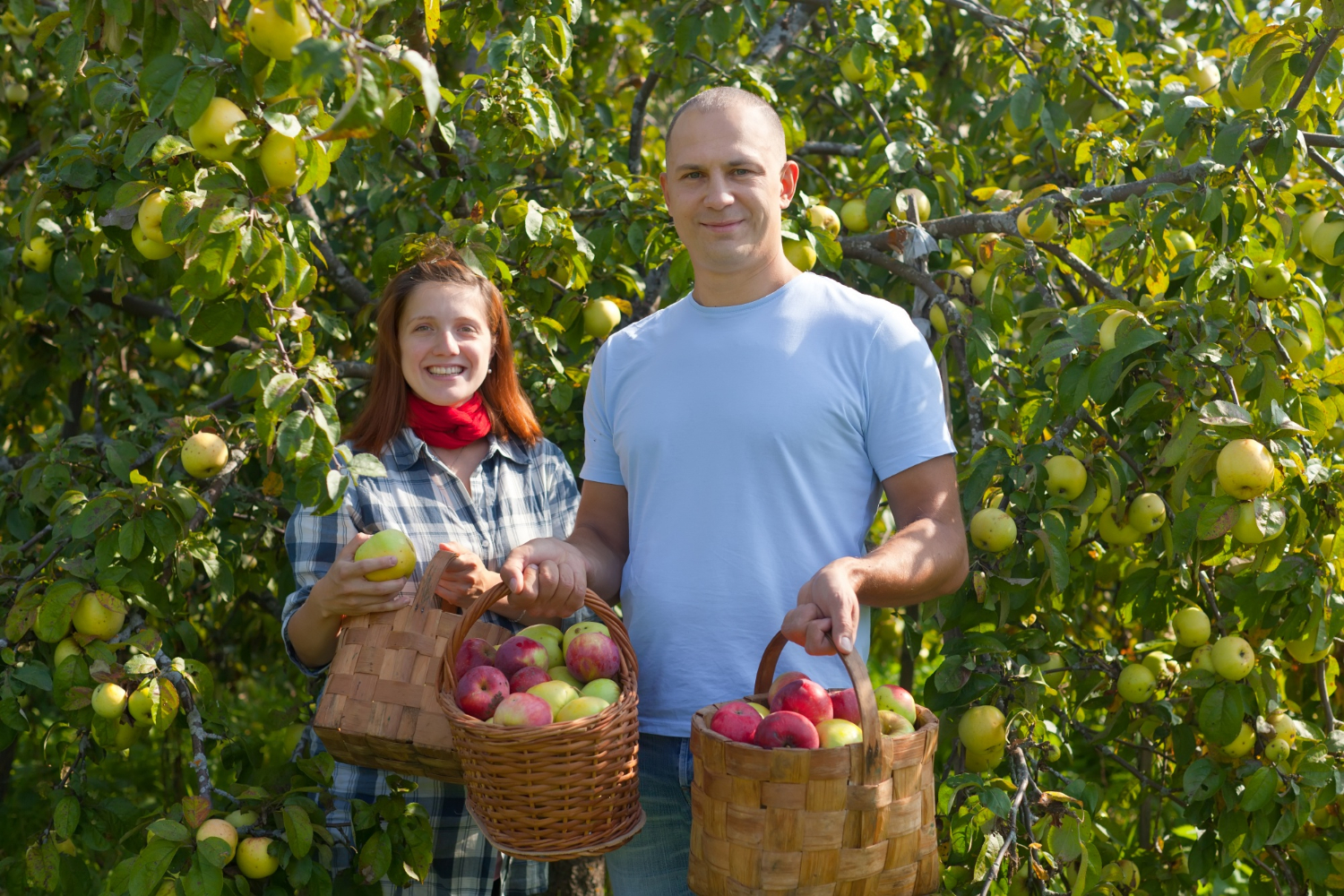
A digital twin of every bud and blossom helps farmers treat orchards tree by tree instead of guessing.

Piotr Skalski's player-tracking pipeline combines SAM 2.1, fine-tuned VLMs, and SigLIP clustering to deliver pixel-level accuracy on a single T4 GPU.
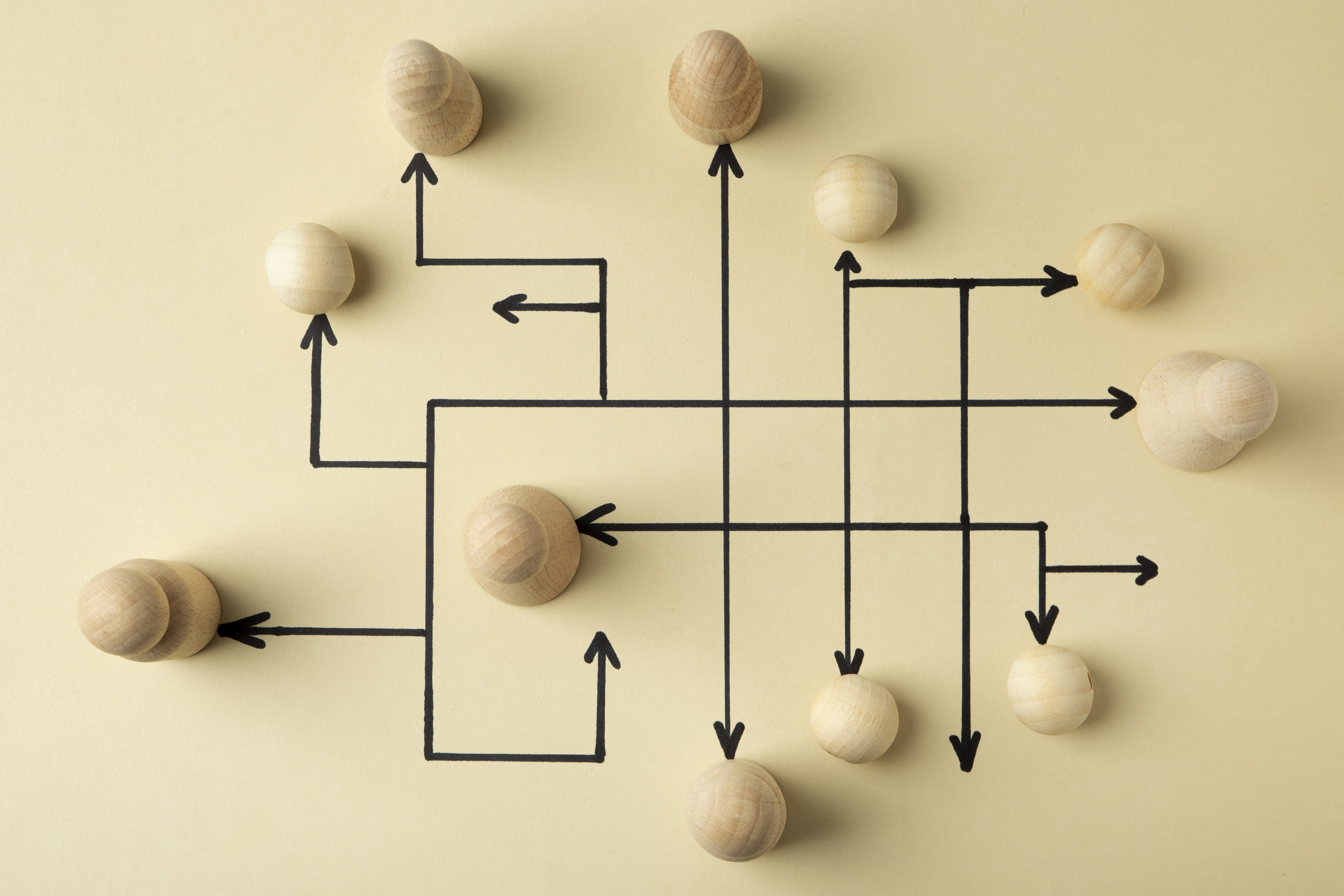
Human-style iteration gives LLMs a path to reliable AGI by pairing clear goals with self-measured loss functions.