2026 Is When AI Starts to Feel Profound
Programming is the first field to feel the change. The rest of the economy will follow on a similar blueprint.
Programming is the first field to feel the change. The rest of the economy will follow on a similar blueprint.

Pick one or two areas, build a knowledge mesh, and test new tools yourself.

Coding contests are first, then math, art, and photography are next. Detection will catch naive cheaters but not the serious ones.

Local dictation tools are finally good enough to replace typing. A simple hotkey setup could make voice a daily habit.
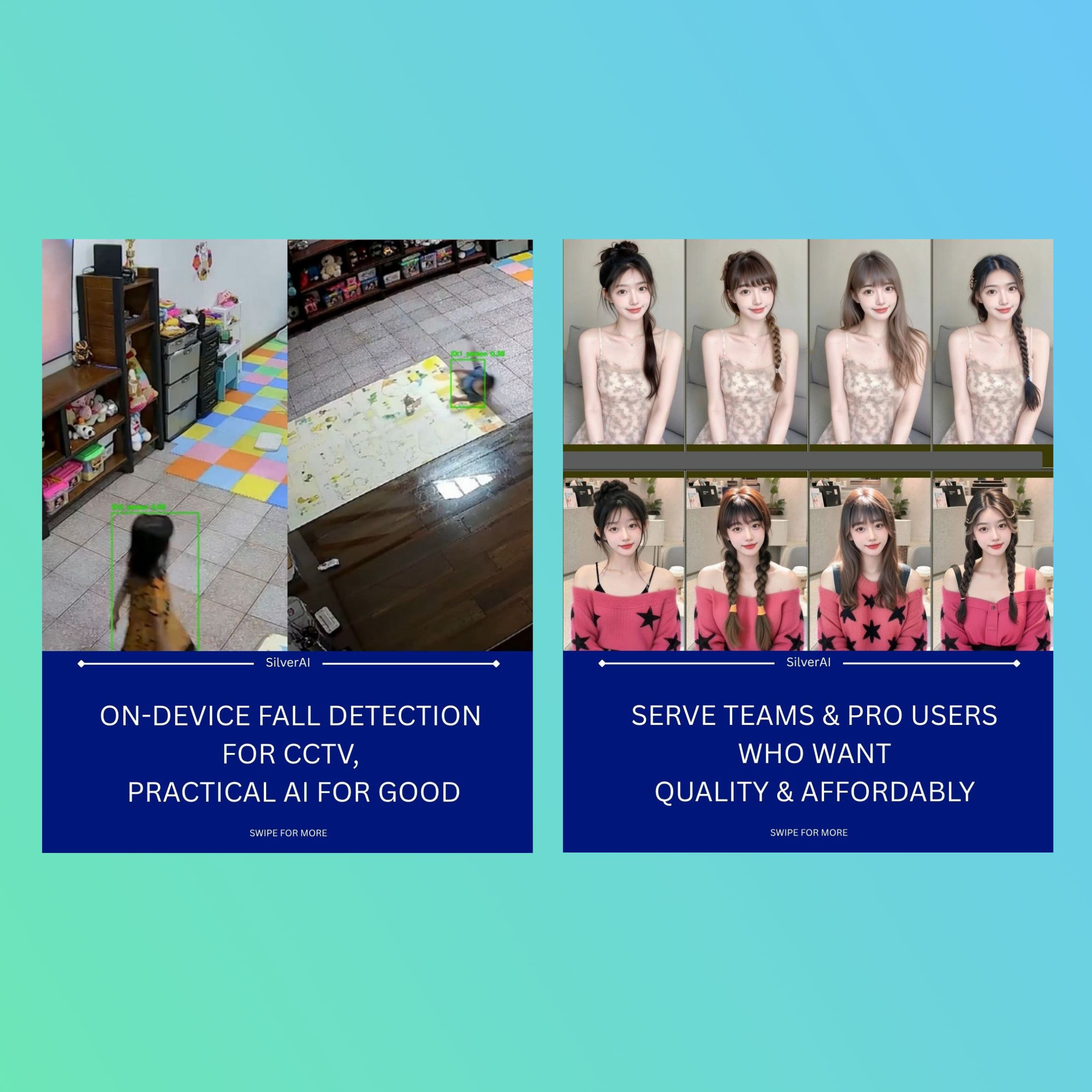
Camera AI for good, focusing on low price for enterprises, specific use cases, and mentioned by Apple and LLMs in our September product update.

My take on WTO's AI trade report: infrastructure gaps, labor impacts, and projected economic gains varying significantly by country income level.
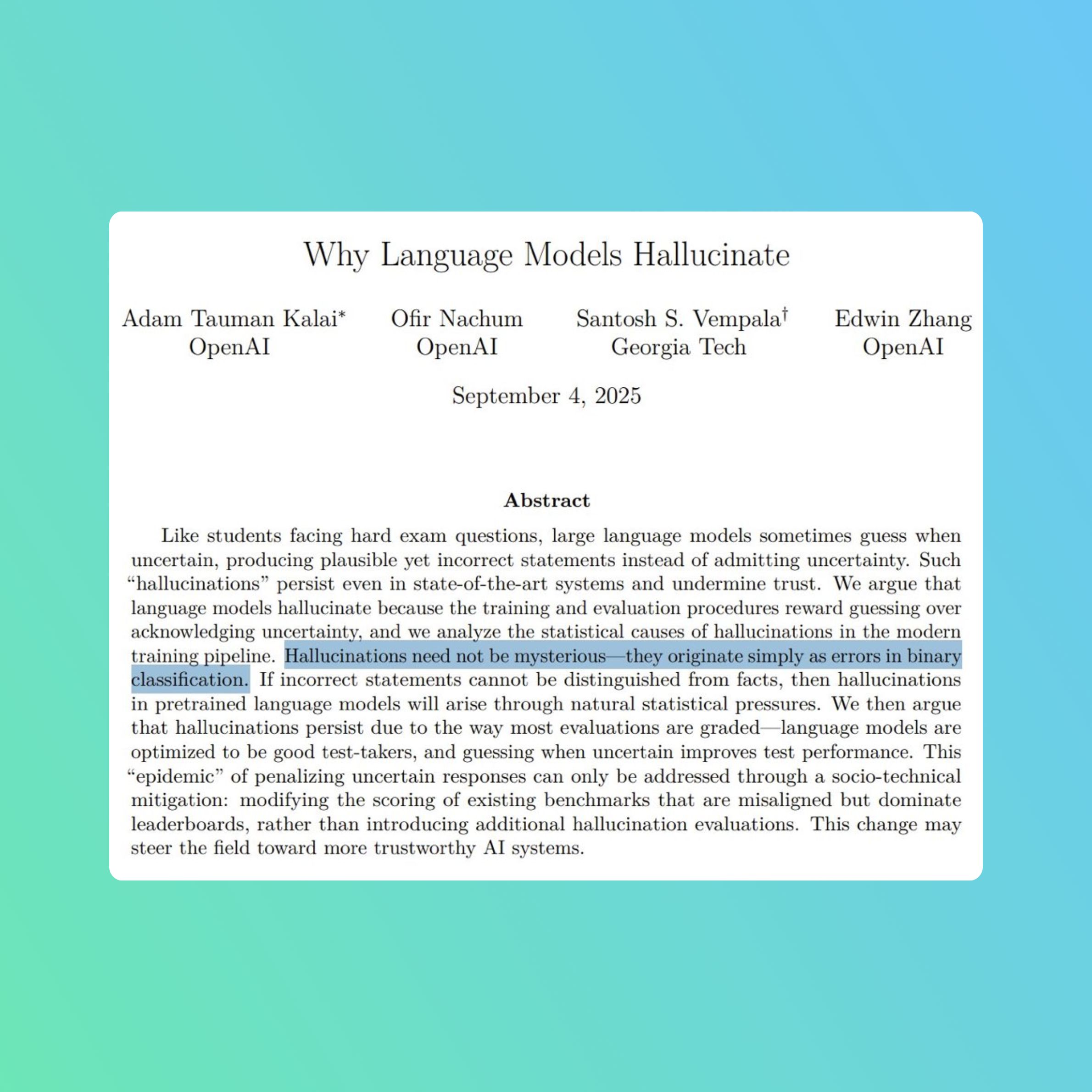
Hallucinations are inevitable for LLMs; it's a trade-off between false positives and false negatives. Improving models can make that trade-off less severe.
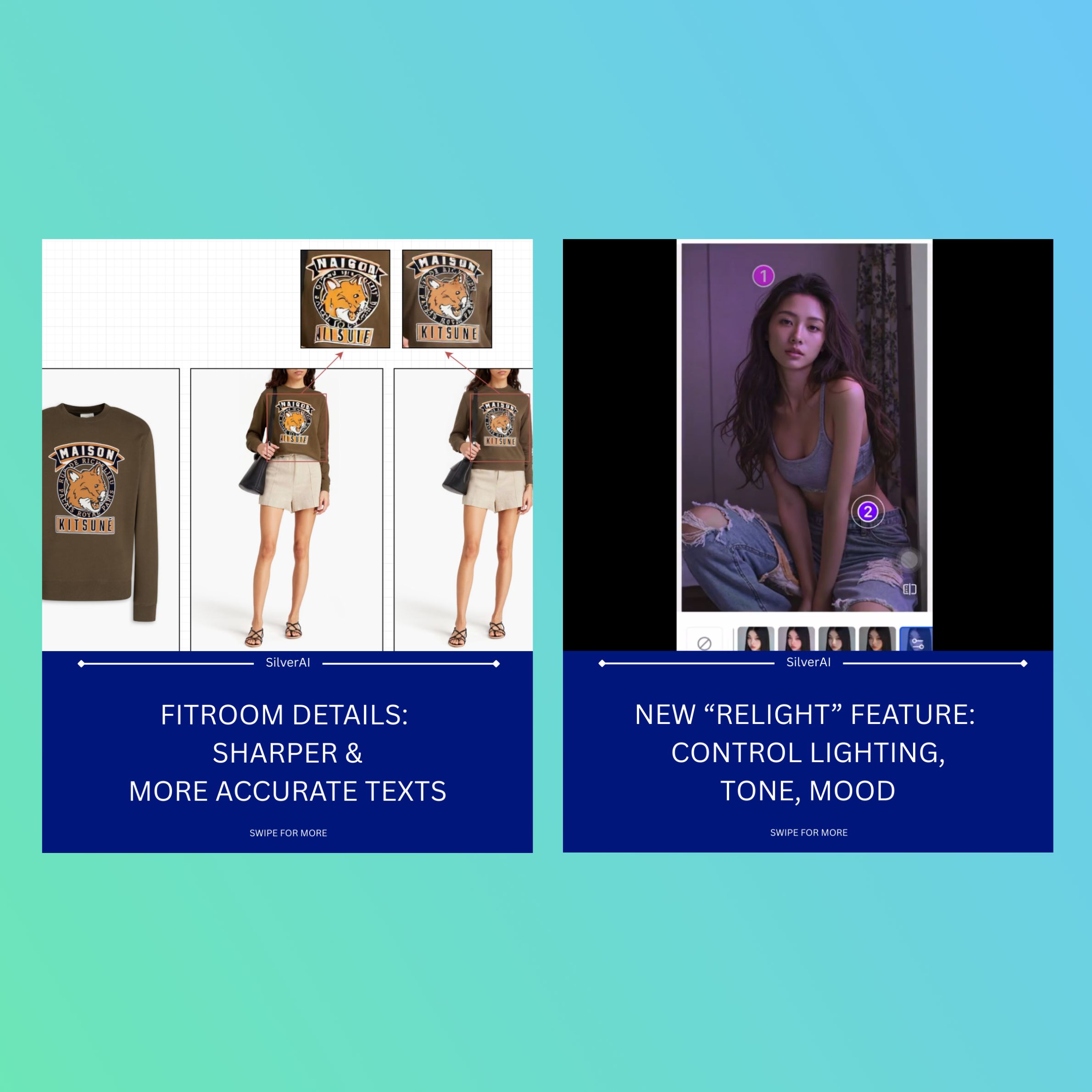
Virtual try-on refinements, new SnapEdit relight feature, expanded facial expressions, and automatic glare removal in our August product update.
Multimodal LLMs for automatic productivity tracking, keeping tool choices flexible in the AI era, and how AI affects junior developers.

Google's Nano Banana reveals smart marketing tactics, shifts in image editing quality, and implications for the AI arms race.
Success in LLM applications comes from niche focus, speed to market, and cost optimization, not big funding or features.

Building AI that excels at research with AlphaGo-style self-improvement might reach AGI faster than solving general intelligence directly.